
Cramp Bark the Herb for Menstrual Cramps, Tension, and Muscle Relaxation
Cramp bark (Viburnum opulus) has earned a longstanding reputation as one of nature’s classic remedies for cramps and muscular tension. Used for centuries in both European and Native American herbal traditions, cramp bark is most commonly associated with menstrual discomfort, although its uses extend far beyond period pain. Herbal practitioners have traditionally turned to the bark to help ease muscle spasms, digestive cramping, back tension, and nervous-system tightness.
Today, interest in botanical wellness continues to grow, and herbs once considered niche are steadily finding a wider audience. Cramp bark is one such example — appreciated for its gentle antispasmodic properties and its reputation for helping the body relax during times of tension and discomfort. Although scientific research on cramp bark remains relatively limited, its extensive history in traditional herbal medicine continues to support its popularity among herbalists and natural wellness practitioners.
What Exactly Is Cramp Bark?
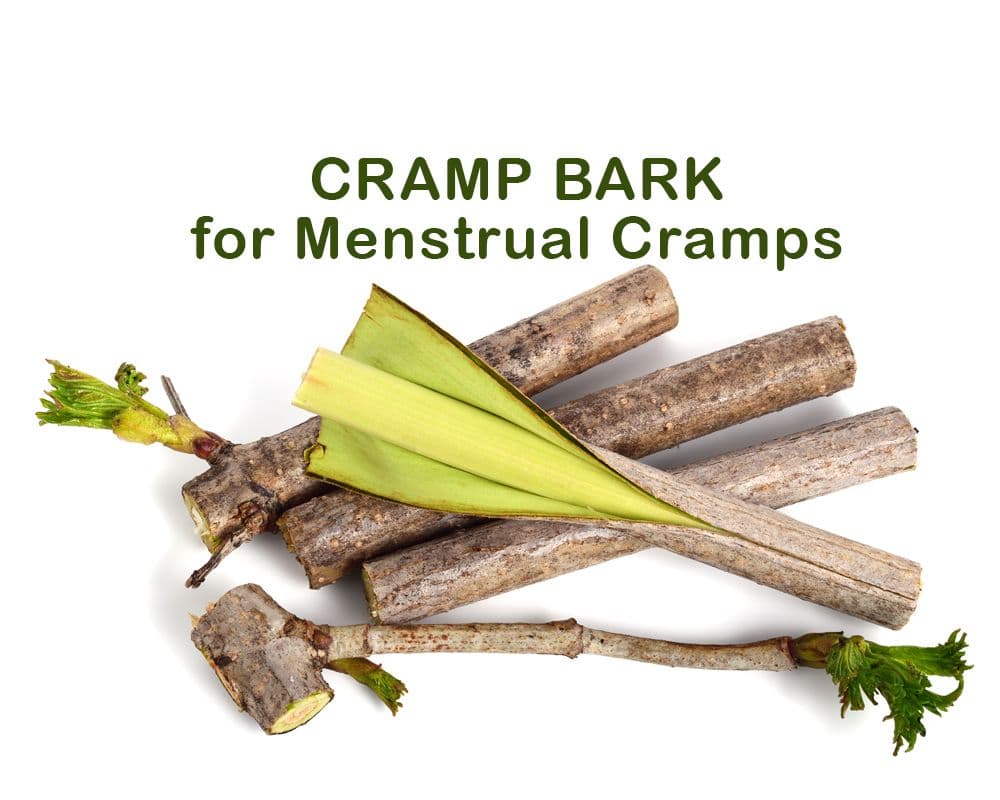
Cramp bark comes from the bark of Viburnum opulus, a deciduous shrub native to Europe, northern Asia, and parts of North America. The plant produces clusters of white flowers and bright red berries, but it is the bark itself that has historically been used in herbal preparations.
The bark contains naturally occurring plant compounds including flavonoids, coumarins, tannins, and resin compounds, all of which are believed to contribute to its traditional antispasmodic effects.
Herbalists often recommend cramp bark tincture as the preferred preparation because they are concentrated and fast acting.
Why Is Cramp Bark Used in Herbal Medicine?
1. Helping Relieve Menstrual Cramps
Cramp bark is most widely known for its traditional use in easing menstrual discomfort. Herbal practitioners have historically recommended the herb to help relax the muscles of the uterus and reduce painful cramping during menstruation.
Menstrual cramps occur when the uterus contracts to shed its lining. In some individuals, these contractions can become intense and painful. Cramp bark’s antispasmodic properties may help calm excessive muscular contractions and ease associated discomfort.
Herbalists often combine cramp bark with other herbs when looking to relieve menstrual cramps such as:
- Raspberry leaf
- Ginger
- Chamomile
Although large-scale clinical studies are still lacking, cramp bark remains one of the most commonly recommended herbs in traditional women’s herbal medicine.
2. Supports Muscle Relaxation
Beyond menstrual support, cramp bark has traditionally been used to relax tense muscles throughout the body.
It may be helpful for:
- Leg cramps
- Muscle tightness
- Back spasms
- Neck and shoulder tension
- Exercise-related muscle cramping
Unlike pharmaceutical muscle relaxants, cramp bark is generally regarded as gentler and less sedating, making it popular among those looking for a more natural approach to muscular discomfort.
Some herbalists recommend the herb during periods of physical strain, muscular overexertion, or stress-related tension.
3. May Ease Digestive Cramping
Traditional herbal medicine has also used cramp bark to support digestive comfort, particularly when tension or spasms affect the digestive tract.
The herb may help soothe:
- Intestinal cramping
- Bloating associated with spasms
- Nervous stomach discomfort
- Mild digestive tension
Because the digestive system contains smooth muscle tissue, herbs with antispasmodic properties may help encourage relaxation and reduce feelings of tightness or discomfort.
Cramp bark is sometimes paired with peppermint, fennel, or chamomile in digestive herbal blends.
4. May Support Relaxation and Nervous System Calm
Cramp bark is sometimes classified as a mild nervine herb, meaning it may help support the nervous system and promote a sense of calm.
Traditional herbalists have used it where muscular tension and emotional stress appear together. Some individuals report that the herb helps:
- Reduce physical tension
- Promote relaxation
- Ease stress-related tightness
- Support restful comfort
While it is not considered a strong sedative, its relaxing effects on muscles may indirectly contribute to greater overall calm.
5. Traditionally Used for Tension Headaches
Some herbal practitioners use cramp bark to help support individuals experiencing headaches associated with muscular tension.
Tension headaches are commonly linked to tight muscles around the neck, shoulders, and scalp. Because cramp bark may help relax muscular contractions, it has traditionally been used alongside calming herbs such as:
- Skullcap
- Lemon balm
- Passionflower
- Chamomile
Although scientific evidence is limited, traditional use suggests it may provide gentle support in tension-related discomfort.
A Few Notes of Caution
As always, the information in this article should not replace the advice of your health practitioner, We always recommend that you seek advice from a healthcare professional sympathetic to complimentary medicine or medical herbalist. Anyone taking prescription medication should consult a healthcare professional before using herbal supplements
Cramp bark is generally considered safe when used appropriately, though certain precautions should be kept in mind.
Possible Side Effects
Some individuals may experience:
- Mild nausea
- Stomach upset
- Digestive irritation
- Drowsiness
Pregnancy and Breastfeeding
Cramp bark should only be used during pregnancy or breastfeeding under the supervision of a qualified healthcare professional.
Medication Interactions
The herb may potentially interact with:
- Sedative medications
- Blood pressure medications
- Muscle relaxants
.
Final Thoughts: Is Cramp Bark Worth Trying?
Cramp bark (Viburnum opulus) has a long history as a traditional remedy for cramps, spasms, and muscular tension. While it may not yet have the scientific profile of some mainstream herbal supplements, its reputation within traditional herbal medicine has endured for generations.
From menstrual discomfort and digestive cramping to muscular tightness and tension headaches, cramp bark continues to be used as a gentle herbal option for supporting relaxation and physical comfort.
As interest in natural wellness continues to grow, traditional herbs such as cramp bark are increasingly attracting attention from people seeking plant-based approaches to everyday health concerns.
References
- Hoffmann D. Medical Herbalism: The Science and Practice of Herbal Medicine. Healing Arts Press; 2003.
- Chevallier A. Encyclopedia of Herbal Medicine. DK Publishing; 2016.
- Mills S, Bone K. Principles and Practice of Phytotherapy. Churchill Livingstone; 2013.
- American Botanical Council. HerbMedPro Database: Viburnum opulus.
- Upton R, ed. American Herbal Pharmacopoeia: Cramp Bark Monograph. American Herbal