Herbs for Immune Support: 7 Natural Allies for Autumn and Winter
Echinacea, elderberry, black seed oil, astragalus, ashwagandha, garlic and thyme – what does the science really tell us about herbs and seasonal immunity?
As autumn arrives and the days become shorter, many of us start thinking about staying well through the colder months.
Chilly weather, more time spent indoors and increased exposure to coughs, colds and other respiratory infections can make autumn a particularly appealing time to look at ways of supporting the body's natural defences.
Herbal medicine has a long history of doing exactly that.
From the purple flowers of echinacea and the dark berries of elderberry to traditional Chinese astragalus root, Ayurvedic ashwagandha and the ancient black seeds of Nigella sativa, plants have been used for generations during the colder months.
And then there are the herbs sitting in our kitchens. Garlic and thyme have both been used traditionally for centuries and remain two of the simplest medicinal plants to incorporate into everyday life.
But there is an important distinction between supporting the immune system and “boosting” it.
Your immune system is an extraordinarily complicated network of cells, tissues and chemical signals. It does not simply need to be made “stronger”. What we really want is an immune system that functions normally and responds appropriately when it encounters a challenge.
So, can herbs help?
The answer is potentially yes – but the evidence varies considerably from herb to herb.
Some have been studied in clinical trials for colds and respiratory infections. Others have interesting laboratory research but relatively little good-quality human evidence.
And that is exactly what makes the subject so interesting.
Quick answer: which herbs are best known for immune support?
If you are looking for herbs traditionally associated with immune, respiratory or seasonal wellbeing, these are among the most interesting:
Herb | Traditionally used for | What research suggests |
| Echinacea | Colds and respiratory infections | Some preparations may modestly reduce the risk or severity of colds, but results are inconsistent |
| Elderberry | Colds and flu-like symptoms | Preliminary evidence suggests it may reduce the duration or severity of some respiratory illnesses |
| Black seed oil | General wellbeing, inflammation and immune balance | Interesting research on inflammation, oxidative stress and immune regulation, but limited evidence for preventing seasonal infections |
| Astragalus | Immune resilience and recurrent infections | Traditionally important, but good-quality human evidence remains limited |
| Ashwagandha | Stress, resilience and general vitality | Some evidence of immunomodulatory effects, but little evidence that it prevents seasonal infections |
| Garlic | Colds and general health | Some promising research, but insufficient evidence to confirm reliable cold prevention |
| Thyme | Coughs and respiratory complaints | Traditional use is well established, particularly for productive coughs |
The key message is that not all herbs work in the same way, and not all have been studied for the same purpose.
Before we start. Why is research on herbs often so thin?
There is an interesting point here that is worth making whenever we discuss herbal medicine.
As we have mentioned in previous articles, you can't patent a herb in its natural form.
That can mean there is less commercial incentive to spend many millions of pounds funding the enormous clinical trials required to establish whether a naturally occurring plant produces a specific medical benefit.
Pharmaceutical companies can potentially protect patented molecules and formulations, giving them a much stronger commercial incentive to fund expensive research.
However, this is only part of the explanation.
Herbal research has another issue: a plant is not always a standardised medicine.
For example, Echinacea grown in one location may contain different proportions of compounds from echinacea grown somewhere else. And of course the same is true of black seed.
The concentration of thymoquinone and other constituents in Nigella sativa can vary between preparations, depending on the seed, growing conditions, extraction method and processing.
This makes herbal research considerably more complicated.
It also explains why a positive clinical trial involving one particular extract cannot automatically be used to claim that every product containing that herb will have the same effect. Possibly the same herb grown elsewhere could be more or less effective than demonstrated by a small trial.
1. Echinacea – the classic cold-season herb
Echinacea purpurea, Echinacea angustifolia
If one herb has become synonymous with the winter cold season, it is probably echinacea.
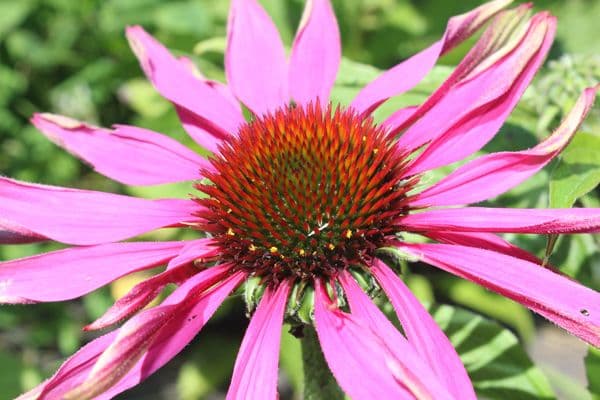
With its striking pink-purple flowers, echinacea is a familiar sight in herbal gardens and a popular ingredient in supplements, tinctures and traditional herbal preparations.
It has a particularly long history of use for supporting the body's natural defences and helping people through periods when colds and respiratory infections are circulating.
What does the research say?
Echinacea is one of the more extensively studied herbs in this area, although that does not mean the scientific picture is straightforward.
Research has produced mixed results. Some studies suggest that particular echinacea preparations may reduce the likelihood of developing a cold or may help with symptoms, while other studies have found little or no benefit.
One reason is that “echinacea” is not one single product.
Different species, plant parts, extraction methods and concentrations can produce very different preparations.
How might it work?
Laboratory research suggests that compounds found in echinacea can interact with aspects of immune and inflammatory signalling.
However, laboratory activity does not automatically translate into a meaningful clinical benefit in people.
That is why the human trials are more important – and why the results need to be interpreted cautiously.
Who might consider it?
Echinacea is particularly interesting for adults who want a traditional herbal option during the cold season.
It is better thought of as a possible support for normal immune and respiratory health rather than a guaranteed cold-prevention remedy.
Safety
Echinacea is generally well tolerated, although allergic reactions can occur. People with allergies to plants in the daisy family may need particular caution.
Anyone taking regular medication, or with an autoimmune condition, should discuss herbal supplements with a healthcare professional before use.
Bottom line
Echinacea has some of the better research among traditional immune-support herbs, but the evidence is mixed.
2. Elderberry – the dark berry with a long history
Sambucus nigra
Almost black when ripe, elderberries are packed with deeply coloured plant compounds, including anthocyanins and other polyphenols.
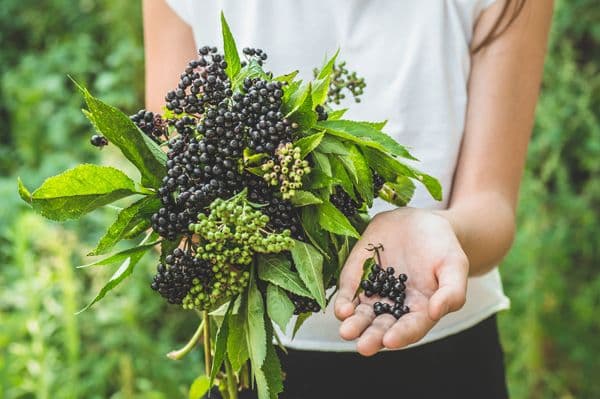
European elder has a long history in traditional medicine, with elderberries and elderflowers used in preparations for colds, fever and respiratory complaints.
Today, elderberry is particularly popular in tinctures, syrups, extracts and capsules during autumn and winter.
What does modern research say?
Elderberry has attracted considerable scientific interest.
A systematic review of randomised trials found that elderberry may reduce the duration and severity of some upper respiratory illnesses, although the researchers stressed that the evidence was limited and more high-quality research was needed.
The American NCCIH similarly concludes that preliminary research suggests elderberry may help relieve symptoms associated with colds, flu and other upper respiratory infections, while emphasising that only a relatively small number of studies have been conducted.
What makes elderberry interesting?
Its naturally occurring anthocyanins and polyphenols have antioxidant and biological activity.
Some laboratory research has investigated how elderberry compounds interact with inflammatory and immune pathways. But, again, laboratory findings are not the same thing as demonstrating that a supplement prevents illness in real life.
The human evidence is more encouraging than for some other traditional herbs, but still not definitive. See above our comments on why detailed research on herbs is so limited.
Fresh berries or supplements?
This is important.
Raw or inadequately prepared elderberries should not be eaten. Certain parts of the elder plant contain compounds that can cause nausea, vomiting and diarrhoea if consumed improperly. Infusions made with boiling water are safe.
Commercial elderberry preparations such as tinctures and syrups are processed appropriately, so always follow the manufacturer's instructions and use reputable products.
Bottom line
Elderberry is one of the more promising herbs for seasonal respiratory support, particularly once symptoms appear, but the evidence remains preliminary rather than conclusive.
3. Black Seed Oil – an ancient herb attracting modern interest
Nigella sativa
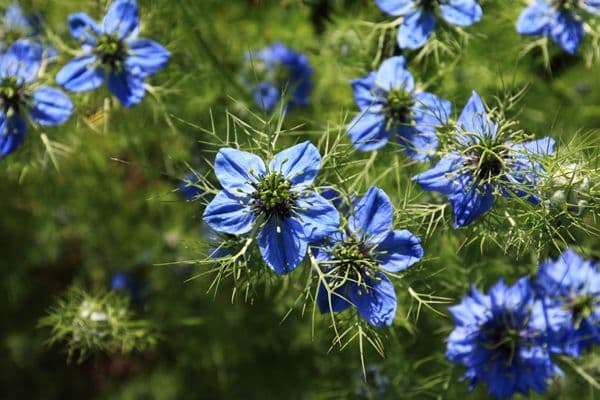
Known as black seed, black cumin, black caraway or Nigella sativa, these small black seeds have an impressive history of traditional use.
For centuries, black seed has been valued across parts of the Middle East, North Africa and Asia as a traditional food and herbal remedy.
Today, black seed oil is attracting increasing scientific interest, particularly because of compounds such as thymoquinone, one of the principal bioactive constituents of the seed's volatile oil.
This makes black seed particularly interesting when discussing immune support.
But it is important to separate what researchers have discovered about the plant from what has actually been demonstrated in people.
What does modern research say?
Laboratory and experimental studies suggest that Nigella sativa and thymoquinone can influence inflammatory and immune pathways. Researchers have investigated their effects on inflammatory mediators, oxidative stress and aspects of both innate and adaptive immunity.
There is also some human evidence.
A 2023 systematic review and meta-analysis of 20 randomised controlled trials involving 1,086 participants found that Nigella sativa supplementation was associated with improvements in several markers of inflammation and oxidative stress, including C-reactive protein and TNF-alpha, although the studies were conducted in a variety of health conditions rather than specifically looking at preventing winter colds.
This is encouraging, but it does not prove that black seed oil prevents seasonal respiratory infections.
What about respiratory infections?
This is an area that has attracted particular interest.
Several small clinical studies have investigated Nigella sativa in respiratory illness, including COVID-19. A systematic review and meta-analysis of seven randomised trials reported potentially favourable findings, but the authors emphasised that the evidence was limited by the small number of available trials and called for larger studies.
In other words, there is an interesting signal here – but because there is no financial incentive for more detailed research, it is much too early to describe black seed oil as a proven treatment or preventative for respiratory infections.
Why is thymoquinone important?
Much of the scientific interest in black seed centres around thymoquinone.
Research suggests that thymoquinone can influence oxidative stress and inflammatory signalling pathways. This may help explain some of the traditional reputation of Nigella sativa. The concentration of active constituents can vary according to the variety of seed, growing conditions, extraction process and storage.
But black seed oil is a complex natural product rather than simply a source of isolated thymoquinone. Herbalists favour a holistic approach using the whole herb rather than favouring a more pharmaceutical approach concentrating on specific phytochemicals.
Black seed oil and autumn wellbeing
Rather than describing black seed oil as something that “supercharges” the immune system, it is more scientifically sensible to describe it as a traditional botanical with potentially useful antioxidant, anti-inflammatory and immunomodulatory properties.
For people who already use black seed oil as part of their general wellness routine, its long history combined with emerging research makes it an interesting addition to an autumn and winter health regime.
Safety
Human trials have generally reported relatively few serious adverse effects, and a phase I trial of a thymoquinone-rich black cumin oil preparation found it was well tolerated in healthy participants..
Black seed may influence blood sugar and blood pressure, so caution is sensible for people taking medication for diabetes or hypertension. There may also be concerns for people taking medicines that affect blood clotting.
Anyone taking prescription medication or managing a long-term health condition should seek professional advice before using concentrated black seed oil regularly.
Pregnancy is another situation where medicinal doses should not be used without appropriate professional advice.
Bottom line
Black seed oil has an impressive traditional history and intriguing modern research, particularly around inflammation, oxidative stress and immune regulation. However, there is currently insufficient evidence to claim that it prevents ordinary seasonal infections. It is best viewed as a promising traditional herb that warrants further research.
4. Astragalus – the traditional Chinese immune herb
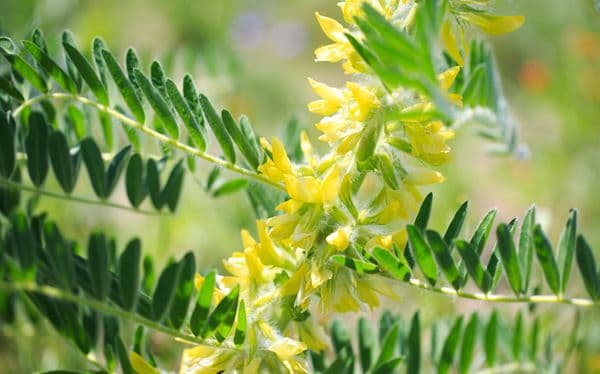
Astragalus membranaceus / Astragalus mongholicus
Astragalus is perhaps less familiar in Britain than echinacea or elderberry, but it has an exceptionally long history in Traditional Chinese Medicine.
The root, commonly known as Huang Qi, has traditionally been used as a restorative herb, particularly when someone is considered to have low resilience or to be prone to recurrent illness.
It is often described as an “immune-boosting” herb, although this phrase oversimplifies what is actually happening.
What does the research say?
Astragalus contains several groups of biologically active compounds, including polysaccharides, flavonoids and saponins.
Laboratory and preclinical research has identified effects on several immune-related pathways.
But when we move from laboratory research to properly controlled human trials, the picture becomes much less certain.
A Cochrane review investigating oral astragalus for preventing frequent acute respiratory infections in children found insufficient evidence to assess its effectiveness or safety.
That does not mean astragalus does nothing.
It means that using modern scientific methods we currently cannot confidently say that taking astragalus prevents seasonal colds or respiratory infections.
Why is it still interesting?
Astragalus represents a fascinating example of the difference between traditional evidence and modern clinical evidence.
It has been used for centuries and has considerable pharmacological interest. What is missing is the large body of well-designed human research needed to determine exactly where it fits in modern preventative healthcare.
Bottom line
Astragalus is a fascinating traditional immune-support herb with promising laboratory research, but there is not yet enough high-quality clinical evidence to say that it prevents seasonal infections.
5. Ashwagandha – supporting resilience rather than simply “boosting immunity”
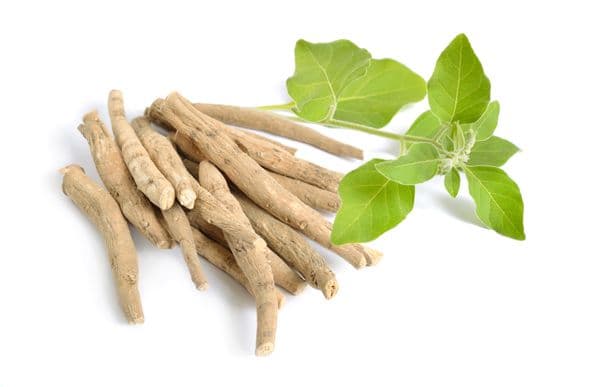
Withania somnifera
Ashwagandha has become one of the best-known Ayurvedic herbs in the Western world.
It is usually discussed in connection with stress, energy, sleep and resilience rather than colds – and that distinction is important.
Stress and immune function are closely interconnected.
Poor sleep, prolonged stress and exhaustion can all affect the body's ability to maintain normal physiological function.
This is one reason ashwagandha deserves a place in a broader discussion about staying well during the colder months.
What does the research say?
There is some interesting research suggesting that ashwagandha may influence immune markers.
A small randomised controlled study in healthy adults found changes in immunoglobulins, cytokines and immune-cell measurements after supplementation with a particular ashwagandha extract.
However, this is very different from proving that people taking ashwagandha are less likely to catch a cold.
Its better-established research relates to areas such as stress and sleep rather than prevention of seasonal infections.
The stress connection
This is particularly relevant during winter.
If you are sleeping badly, working long hours, feeling stressed and running on empty, supporting sleep and stress management may be more meaningful for overall wellbeing than looking for a single “immune booster”.
Ashwagandha may have a role here for some people.
Safety
Ashwagandha can cause stomach upset and drowsiness, and there have been reports of liver injury, although this appears to be uncommon.
It should not be used during pregnancy unless specifically advised by a healthcare professional. It may also interact with medicines, including some used for thyroid conditions, diabetes, high blood pressure, immune suppression and sedation.
People with thyroid or autoimmune disorders should seek medical advice before using it.
Bottom line
Ashwagandha may support resilience through effects on stress and sleep, and it has interesting immunological research behind it, but it should not currently be promoted as a proven cold-prevention herb.
6. Garlic – the kitchen herb with medicinal credentials
Allium sativum
Garlic is one of the easiest medicinal herbs to overlook because most of us already have it in the kitchen.
Yet garlic has a fascinating history of traditional medicinal use.
Its characteristic smell comes partly from sulphur-containing compounds produced when garlic is crushed or chopped. One of the best-known is allicin, which has been extensively investigated for its biological activity.
Can garlic help prevent colds?
There is some intriguing evidence.
A small controlled trial included in a Cochrane review found fewer common cold episodes among people taking an allicin-containing garlic preparation over a three-month period.
However, only one trial met the review's inclusion criteria, and the authors concluded that there was insufficient clinical evidence to draw firm conclusions.
Garlic may have antimicrobial and antiviral activity in laboratory settings, but what matters clinically is whether consuming garlic actually produces a meaningful difference in people's health.
At present, the evidence is suggestive rather than conclusive.
Garlic as part of a healthy diet
There is nevertheless little reason to wait until winter to eat garlic.
Used regularly in cooking, it can contribute flavour and a wide range of plant compounds to an otherwise varied diet.
And unlike a high-dose supplement, culinary garlic is simply part of eating well.
Bottom line
Garlic is a fascinating traditional medicinal food with some promising research, but there is not enough clinical evidence to claim that garlic supplements reliably prevent colds.
7. Thyme – particularly useful when winter brings the cough
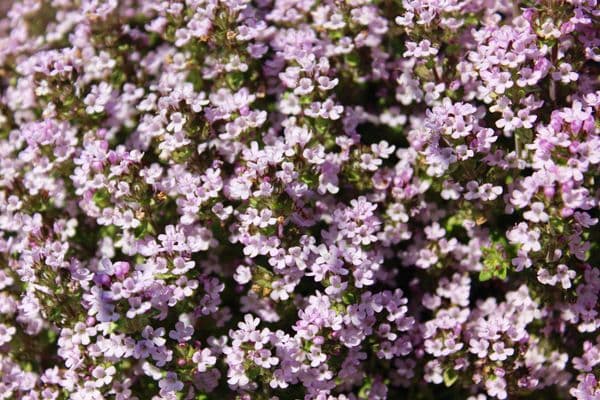
Thymus vulgaris
Thyme is another example of a herb that sits comfortably between the kitchen and the herbal medicine cabinet.
Its aromatic leaves contain essential oils and other compounds that have been investigated for antimicrobial and respiratory effects.
Traditionally, thyme has been used for coughs, particularly coughs accompanied by mucus.
What does the evidence say?
The European Medicines Agency recognises thyme preparations for the traditional treatment of productive, or chesty, coughs associated with colds.
The EMA notes that the evidence is largely based on long-standing traditional use rather than strong clinical trials.
That distinction is important.
Thyme is therefore better considered a respiratory-support herb than a general immune booster.
If a winter cold has developed into a troublesome chesty cough, thyme may be one of the traditional herbs worth knowing about.
What about thyme oil?
Thyme essential oil is considerably more concentrated than the herb itself.
Essential oils should therefore never be treated as interchangeable with ordinary culinary thyme.
Bottom line
Thyme has a long history of traditional use for chesty coughs associated with colds and has a recognised place in European herbal medicine, although clinical evidence remains limited.
Can herbs really “boost” the immune system?
This is where herbal marketing can sometimes become confusing.
The phrase “boosts the immune system” sounds attractive, but biologically it is too simplistic.
The immune system is not like a battery that simply needs charging.
It is a sophisticated network involving white blood cells, antibodies, the lymphatic system, the skin and mucous membranes, the gut and numerous signalling molecules.
A healthy immune response needs to be balanced and appropriately regulated.
Some herbs may influence aspects of immune activity in laboratory experiments or alter measurable immune markers in human studies.
But that does not necessarily mean they will stop you getting a cold.
This distinction is particularly important with herbs such as astragalus, black seed oil and ashwagandha, where immunological research is interesting but evidence for preventing ordinary seasonal infections remains limited.
Black seed is perhaps a particularly good illustration of this point. Human research has found changes in inflammatory and oxidative-stress markers, but that is not the same as demonstrating that people taking black seed oil suffer fewer winter infections.
Seven herbs – seven different approaches
Perhaps the most useful way to think about these herbs is not to ask:
“Which herb boosts my immune system the most?”
Instead, ask:
“What aspect of seasonal wellbeing am I trying to support?”
If you are interested in traditional cold-season support
Echinacea is one of the best-known options and has been studied more extensively than many other herbs.
If you are interested in respiratory symptoms
Elderberry is particularly interesting for cold and flu-like symptoms, while thyme has a traditional role for chesty coughs.
If you are interested in traditional immune and inflammatory balance
Black seed oil is particularly interesting because of its long traditional history and emerging research into inflammatory and oxidative-stress markers.
If you are interested in traditional immune resilience
Astragalus has a long history of use, particularly within Traditional Chinese Medicine, although clinical evidence remains limited.
If stress and poor sleep are part of the problem
Ashwagandha may be more relevant because of its research in stress and sleep, with some interesting immunological findings.
If you simply want to include more medicinal plants in your diet
Garlic is an easy place to start.
The most effective “immune support” may be surprisingly ordinary
Herbs can be an interesting part of a winter wellness routine, but they should sit alongside the fundamentals rather than replace them.
Sleep
Good-quality sleep is fundamental to general health and normal immune function.
If you are constantly exhausted, no herbal supplement can compensate completely.
Eat a varied diet
Fruit and vegetables provide vitamins, minerals, fibre and thousands of naturally occurring plant compounds.
Aim for variety rather than searching for one “superfood”.
Get enough protein
The immune system requires amino acids to produce many of the molecules involved in immune responses.
Keep moving
Regular physical activity supports overall cardiovascular and metabolic health and is an important part of maintaining wellbeing.
Manage stress
Long periods of psychological stress can affect sleep, energy and general health.
Relaxation, time outdoors, social connection and sensible work-life boundaries can all matter.
Wash your hands
It may sound boring compared with an exotic herbal tincture, but hand hygiene remains one of the simplest ways to reduce transmission of infectious illnesses.
Don't forget vaccination
Herbs and supplements are not substitutes for vaccination.
If you are eligible for seasonal vaccination, particularly if you are in a higher-risk group, follow NHS and healthcare-professional advice.
What about taking several herbs together?
This is another area where “natural” does not automatically mean “risk-free”.
A product containing echinacea, elderberry, black seed, astragalus, ashwagandha, garlic and several other herbs may sound like the ultimate winter formula.
But combining multiple active herbs also makes it much harder to know what is responsible for an effect – or an unwanted reaction.
It can also increase the potential for interactions with medicines.
This is particularly relevant if you take prescription medication, are pregnant or breastfeeding, have an autoimmune or thyroid condition, are preparing for surgery, or have another long-term health condition.
More is not necessarily better.
Frequently asked questions
What is the best herb for immune support?
There is no single herb that can scientifically be described as the “best” immune booster.
Echinacea has relatively extensive research for colds, while elderberry has some promising evidence for respiratory symptoms.
Black seed oil has interesting research relating to inflammation, oxidative stress and immune regulation, but much less evidence specifically for preventing seasonal infections.
Astragalus and ashwagandha also have interesting immunological research, but considerably less evidence for preventing ordinary colds.
Does echinacea prevent colds?
The evidence is mixed.
Some research suggests certain echinacea preparations may modestly reduce the likelihood of developing a cold, while other studies have found little benefit.
Preparation and plant species appear to matter.
Is elderberry good for colds and flu?
Some preliminary studies suggest elderberry may reduce the duration or severity of certain respiratory illnesses, but the evidence is still uncertain.
It should not be regarded as a proven treatment for influenza.
Is black seed oil good for the immune system?
Black seed oil has demonstrated interesting effects on inflammatory and oxidative-stress markers in human clinical research.
However, these studies have generally looked at markers or specific health conditions rather than whether people taking black seed oil are less likely to catch seasonal colds.
So it is better described as a promising traditional herb with immunomodulatory and antioxidant research behind it, rather than a proven immune booster.
Does black seed oil prevent colds?
There is currently insufficient evidence to say that it prevents ordinary colds.
Some clinical research has investigated Nigella sativa in respiratory infections, including COVID-19, and systematic reviews have reported potentially favourable findings. However, the number and quality of trials remain insufficient for firm conclusions.
Does astragalus boost immunity?
Astragalus has traditionally been used to support immune resilience and has interesting laboratory research.
However, high-quality human evidence showing that it prevents seasonal respiratory infections is currently lacking.
Can ashwagandha help the immune system?
Some research suggests that particular ashwagandha extracts can affect immune markers, but there is not enough evidence to conclude that ashwagandha prevents colds or other seasonal infections.
Its better-established research relates to areas such as stress and sleep.
Is garlic a natural cold remedy?
Garlic has traditionally been used for infections and has interesting antimicrobial properties.
One small trial found fewer colds among people taking a garlic preparation, but the overall clinical evidence remains insufficient to establish garlic as a reliable cold-prevention treatment.
Is thyme good for coughs?
Thyme has a long history of traditional use for coughs.
The European Medicines Agency recognises thyme preparations for traditional use in productive coughs associated with colds.
The bottom line: supporting your body through autumn and winter
There is something particularly appealing about turning to plants as the seasons change.
Many of the herbs discussed here have been used for hundreds – and sometimes thousands – of years.
Modern science is now beginning to investigate some of the compounds that may help explain their traditional reputation.
But the most interesting findings are often more nuanced than the phrase “immune boosting” suggests.
Echinacea may offer modest support for some people during cold season.
Elderberry is showing intriguing potential for respiratory symptoms.
Black seed oil has particularly interesting research around inflammation, oxidative stress and immune regulation, although much more research is needed before we can say that it prevents seasonal infections.
Astragalus has a fascinating traditional history but needs better clinical research.
Ashwagandha may be more useful for supporting resilience, particularly where stress and poor sleep are involved.
Garlic remains an interesting medicinal food, while thyme has a well-established traditional role in respiratory herbal medicine.
None should be regarded as a magic shield against winter illness.
Perhaps the best approach is to think of herbal medicine as one part of a bigger picture – alongside good food, adequate sleep, exercise, stress management, sensible hygiene and appropriate medical care.
And that may actually be the most natural approach of all.
The aim isn't to “supercharge” the immune system. It's to give the body the conditions it needs to do what it is already remarkably good at doing: maintaining balance, responding to challenges and helping us stay well.
Selected references and further reading
- National Center for Complementary and Integrative Health. Echinacea: Usefulness and Safety.
- National Center for Complementary and Integrative Health. Elderberry: Usefulness and Safety.
- Wieland LS, Piechotta V, Feinberg T, et al. Elderberry for prevention and treatment of viral respiratory illnesses: a systematic review. BMC Complementary Medicine and Therapies. 2021;21:112.
- Su G, Chen X, Liu Z, et al. Oral Astragalus (Huang qi) for preventing frequent episodes of acute respiratory tract infection in children. Cochrane Database of Systematic Reviews. 2016.
- National Center for Complementary and Integrative Health. Ashwagandha: Usefulness and Safety.
- Lissiman E, Bhasale AL, Cohen M. Garlic for the common cold. Cochrane Database of Systematic Reviews. 2014;11.
- European Medicines Agency. Thymi herba – herbal medicinal product.
- Ahmad A, Husain A, Mujeeb M, et al. A review on therapeutic potential of Nigella sativa: A miracle herb. Asian Pacific Journal of Tropical Biomedicine. 2013.
- Majdalawieh AF, Fayyad MW. Immunomodulatory and anti-inflammatory action of Nigella sativa and thymoquinone: A comprehensive review. International Immunopharmacology. 2015.
- Tavakkoli A, Ahmadi A, Maroofian A, et al. Review on clinical trials of black seed (Nigella sativa) and its active constituent, thymoquinone. Journal of Pharmacopuncture. 2017.
- Kavyani Z, Musazadeh V, Golpour-Hamedani S, et al. The effect of Nigella sativa on biomarkers of inflammation and oxidative stress: an updated systematic review and meta-analysis of randomized controlled trials. Inflammopharmacology. 2023;31:1149–1165.
- Umer M, Naveed A, Maryam Q, et al. Nigella sativa for the treatment of COVID-19 patients: A rapid systematic review and meta-analysis of randomized controlled trials. Food Science & Nutrition. 2024;12:2061–2067.
- Thomas JV, Mohan ME, Prabhakaran P, et al. A phase I clinical trial to evaluate the safety of thymoquinone-rich black cumin oil on healthy subjects. Toxicology Reports. 2022.
Important note
This article is intended for general information and educational purposes and is not a substitute for medical advice. Herbal products can interact with medicines and may not be suitable for everyone. Anyone who is pregnant or breastfeeding, has a long-term medical condition, is taking prescription medicines, or is considering herbs for a child should consult an appropriately qualified healthcare professional before use.