Herbs for Stress and Anxiety: What Does the Evidence Really Say?
Stress has become an almost unavoidable part of modern life. Whether it stems from work pressures, financial worries, family responsibilities or the constant stream of digital notifications, prolonged stress can affect both mental and physical wellbeing. For many people, persistent stress develops into anxiety, bringing symptoms such as racing thoughts, poor sleep, muscle tension, digestive discomfort and difficulty concentrating.
While prescription medicines and psychological therapies remain essential treatments for moderate to severe anxiety disorders, many people also look towards herbal medicine as part of a holistic approach to supporting emotional wellbeing. Herbal remedies have been used for centuries across Europe, Asia and the Americas to promote relaxation, improve sleep and help the body cope with periods of emotional strain.
Modern science is now beginning to investigate these traditional remedies. Some herbs—particularly passion flower, lemon balm and chamomile—have been evaluated in human clinical studies and show promising results for mild anxiety and stress-related symptoms. Others continue to be valued largely because of their long history of safe traditional use, even though high-quality clinical research remains limited.
This article examines eight herbs commonly associated with calming the nervous system. Rather than relying on folklore alone, we distinguish between traditional use and modern scientific evidence, discuss how each herb is thought to work, outline potential safety considerations and explain who may benefit most.
Quick Answer: Which Herbs Have the Best Evidence?
Among the herbs discussed in this article, passion flower (Passiflora incarnata), lemon balm (Melissa officinalis) and German chamomile (Matricaria chamomilla) currently have the strongest clinical evidence supporting their traditional use for mild anxiety and stress. Other herbs such as skullcap, vervain, lime flower, Norwegian angelica and oat seed remain important in traditional herbal medicine, but the quality and quantity of scientific research varies considerably.
Evidence at a Glance
Herb | Traditional Use | Modern Clinical Evidence | Best Known For |
|---|---|---|---|
| Passion Flower | ★★★★★ | ★★★★☆ | Anxiety, restlessness, sleep |
| Lemon Balm | ★★★★★ | ★★★★☆ | Stress, calmness, concentration |
| Chamomile | ★★★★★ | ★★★★☆ | Anxiety, digestion, sleep |
| Skullcap | ★★★★★ | ★★☆☆☆ | Nervous tension |
| Oat Seed | ★★★★☆ | ★★☆☆☆ | Nervous exhaustion |
| Lime Flower | ★★★★★ | ★☆☆☆☆ | Relaxation, bedtime teas |
| Vervain | ★★★★★ | ★☆☆☆☆ | Emotional tension |
| Norwegian Angelica | ★★★★☆ | ★☆☆☆☆ | Traditional restorative tonic |
Evidence ratings reflect the current balance of published human clinical research rather than traditional use alone.
Understanding How Herbs May Help Calm the Nervous System
Although each plant contains hundreds of naturally occurring compounds, many calming herbs appear to influence similar biological pathways. Some may increase the activity of gamma-aminobutyric acid (GABA), a neurotransmitter that helps reduce excessive activity in the brain and promotes relaxation. Others contain flavonoids, terpenes or polyphenols with antioxidant or anti-inflammatory properties that may indirectly support healthy brain function.
Unlike many prescription sedatives, most traditional calming herbs are not intended to produce heavy sedation. Instead, herbalists often describe them as helping the body regain balance, reducing nervous tension while allowing people to remain mentally alert.
However, responses vary from person to person, and herbs should be viewed as one part of a broader strategy that includes good sleep, regular exercise, a balanced diet and effective stress management.
Passion Flower (Passiflora incarnata)

Quick Facts
Common names: Passion flower, Maypop (American)
Family: Passifloraceae
Part used: Aerial parts (leaves, stems and flowers)
Traditional use: Anxiety, insomnia, nervous restlessness
Evidence rating: ★★★★☆
Traditional Uses
Despite its striking tropical appearance, passion flower has been one of the most respected calming herbs in Western herbal medicine for hundreds of years. Indigenous peoples of North and South America traditionally used the plant to promote relaxation and improve sleep before European herbalists adopted it into their own practices during the sixteenth century.
Today, passion flower is widely recommended for people whose stress manifests as racing thoughts, muscle tension or difficulty switching off at bedtime.
What Modern Research Says
Passion flower is one of the better-studied medicinal herbs for mild anxiety.
Several randomised controlled trials have found that extracts of Passiflora incarnata can reduce anxiety symptoms, particularly before stressful situations such as surgery or dental procedures. Some studies have even suggested that its calming effects may be comparable to certain conventional anti-anxiety medications while producing fewer reports of daytime drowsiness, although the evidence is not yet strong enough to recommend it as a replacement for prescription treatment.
Systematic reviews conclude that passion flower shows promising potential, but larger, longer-term clinical studies are still needed before firm conclusions can be drawn.
How It May Work
Researchers believe passion flower influences the brain's GABA system, helping to reduce excessive nerve activity. It also contains flavonoids, including chrysin and vitexin, which may contribute to its calming effects.
Although the precise mechanism remains under investigation, the overall evidence suggests that the herb may help reduce feelings of nervousness without causing significant impairment in most healthy adults.
Who May Benefit Most?
Passion flower may be particularly suitable for people experiencing:
- Mild situational anxiety
- Difficulty relaxing in the evening
- Stress-related insomnia
- Racing thoughts at bedtime
- Nervous tension before important events
Typical Preparations
Passion flower is available as:
- Herbal tea
- Tincture
- Liquid extract
- Capsules
- Tablets
Many herbal practitioners combine it with lemon balm, chamomile or valerian for additional support with sleep.
Safety and Interactions
Passion flower is generally well tolerated.
Possible side effects include:
- Mild drowsiness
- Dizziness
- Upset stomach (rare)
Because of its calming effects, it should be used cautiously alongside sedative medicines or alcohol. Pregnant women should avoid medicinal doses unless advised otherwise by a healthcare professional.
Bottom Line
Among herbal remedies for anxiety, passion flower currently has one of the strongest bodies of clinical evidence. While it should not replace prescribed treatment for anxiety disorders, it appears to offer gentle support for mild anxiety, nervous tension and sleep difficulties when used appropriately.
Skullcap (Scutellaria lateriflora)
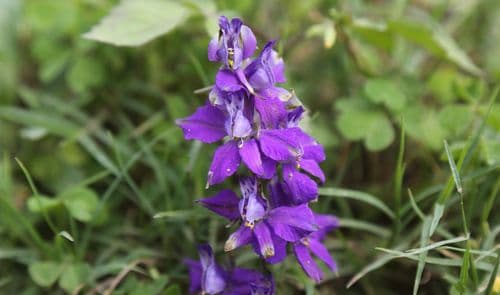
Quick Facts
Common names: American Skullcap
Family: Lamiaceae
Part used: Aerial parts
Traditional use: Nervous exhaustion, muscle tension, emotional stress
Evidence rating: ★★☆☆☆
Traditional Uses
American skullcap has earned the nickname "the relaxing mint" among herbalists. Native American communities used the herb long before it entered European herbal practice, where it became valued as a restorative remedy for an overstimulated nervous system.
Unlike herbs that primarily encourage sleep, skullcap has traditionally been used during the daytime to help relieve nervous tension while allowing people to remain mentally clear.
What Modern Research Says
Compared with passion flower and chamomile, clinical research on skullcap remains relatively limited.
A small number of human studies suggest that healthy volunteers taking skullcap extracts reported improvements in mood and reductions in anxiety without significant sedation. Laboratory research has identified compounds with antioxidant, anti-inflammatory and neuroprotective properties, although much of this evidence comes from animal or laboratory studies rather than large human trials.
For this reason, most experts regard skullcap as a promising traditional remedy that still requires further clinical investigation.
How It May Work
Skullcap contains flavonoids such as baicalin and scutellarin, compounds believed to interact with receptors involved in regulating nervous system activity. Researchers are continuing to investigate whether these compounds influence GABA signalling or other pathways associated with emotional regulation.
Who May Benefit Most?
Traditional herbalists often recommend skullcap for:
- Stress-related muscle tightness
- Emotional tension
- Nervous irritability
- Mental fatigue
- Difficulty unwinding after work
Typical Preparations
Skullcap is commonly available as:
- Tinctures
- Herbal teas
- Capsules
- Combination herbal formulas
It is frequently paired with oat seed and vervain in traditional herbal medicine.
Safety and Interactions
Skullcap is generally considered safe when obtained from reputable manufacturers.
Historically, some products were accidentally contaminated with other plant species, leading to isolated reports of liver toxicity. Modern quality control has greatly reduced this risk.
People taking sedatives should consult a healthcare professional before use.
Bottom Line
Although scientific evidence remains limited, skullcap continues to hold an important place in Western herbal medicine as a gentle nervous system tonic, particularly for people experiencing stress-related tension rather than severe anxiety.
Lemon Balm (Melissa officinalis)
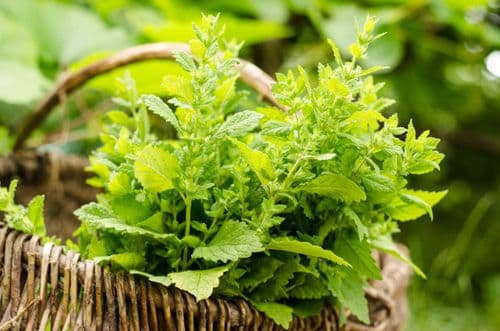
Quick Facts
Common names: Lemon balm, balm mint
Family: Lamiaceae
Part used: Leaves
Traditional use: Anxiety, digestive upset, low mood
Evidence rating: ★★★★☆
Traditional Uses
Lemon balm has been cultivated for more than two thousand years. Ancient Greek physicians praised its uplifting properties, while medieval monasteries grew it extensively for its ability to "gladden the heart."
Its fresh citrus aroma reflects the volatile oils that give the herb both its distinctive scent and many of its therapeutic properties.
Traditionally, lemon balm has been used to calm nervousness, ease digestive discomfort linked to stress and promote restful sleep.
What Modern Research Says
Modern clinical research supports several of lemon balm's traditional uses.
Controlled studies have found that lemon balm extracts may reduce feelings of stress, improve calmness and even enhance cognitive performance during mentally demanding tasks. Some trials have also demonstrated improvements in sleep quality when lemon balm is combined with other calming herbs, particularly valerian.
Researchers emphasise that the herb appears most beneficial for mild stress and anxiety rather than diagnosed anxiety disorders.
How It May Work
Lemon balm contains several biologically active compounds, including rosmarinic acid, flavonoids and volatile oils such as citral and citronellal. Laboratory research suggests that some of these compounds may influence pathways involved in nervous system regulation, including GABA-related activity.
The European Medicines Agency (EMA) recognises lemon balm leaf as a traditional herbal medicine used for symptoms associated with mild stress and to aid sleep, although it notes that clinical evidence remains limited and conclusions are largely based on long-standing traditional use.
This distinction is important. Traditional use does not mean “unproven”; rather, it means the evidence comes from centuries of observation and practical experience rather than the large-scale clinical trials normally associated with pharmaceutical medicines.
Who May Benefit Most?
Lemon balm may be particularly suitable for people experiencing:
- Everyday stress and tension
- Difficulty relaxing after work
- Stress-related digestive discomfort
- Mild restlessness
- Difficulty settling at night
- Mental fatigue during demanding periods
Many people appreciate lemon balm because it tends to be calming without being strongly sedating, making it a popular daytime herb.
Typical Preparations
Lemon balm is commonly used as:
- Fresh or dried herbal tea
- Tincture
- Liquid extract
- Capsules
- Combination formulas
A cup of lemon balm tea has traditionally been used as a simple evening ritual, combining the physiological effects of the plant with the psychological benefits of slowing down and creating a calming routine.
Safety and Interactions
Lemon balm is generally considered well tolerated.
Possible effects may include:
- Mild drowsiness
- Digestive discomfort (uncommon)
- Reduced alertness in sensitive individuals
Because it may have calming properties, caution is recommended when combining it with sedative medicines, alcohol or other relaxing herbs.
Bottom Line
Lemon balm is one of the most widely used calming herbs, supported by centuries of traditional use and a growing but still developing evidence base. Its greatest strength may be its versatility: it can support relaxation, digestive comfort and evening calm without necessarily causing heavy sedation.
Chamomile (Matricaria chamomilla / Matricaria recutita)
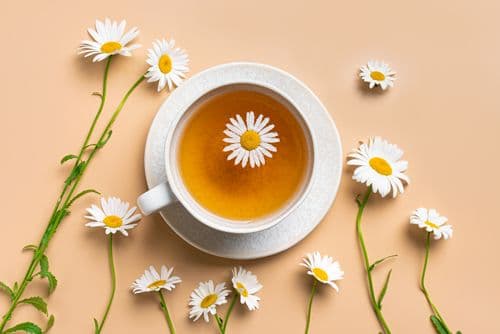
Quick Facts
Common names: German chamomile, wild chamomile
Family: Asteraceae
Part used: Flower heads
Traditional use: Relaxation, sleep, digestive comfort
Evidence rating: ★★★★☆
Traditional Uses
Few herbs are as universally recognised as chamomile. For generations, a warm cup of chamomile tea has been associated with bedtime routines, relaxation and comfort.
Ancient civilisations valued chamomile for its soothing properties, while European herbal traditions used it for nervous tension, digestive complaints and restlessness. Today it remains one of the most popular herbal teas worldwide.
Chamomile’s reputation is based not only on its calming qualities but also on its ability to support the gut–brain connection. Many people notice that stress affects digestion, and chamomile has traditionally been used when emotional tension is accompanied by stomach discomfort.
What Modern Research Says
Chamomile has one of the larger research bases among calming herbs.
Clinical studies have investigated chamomile extracts for anxiety symptoms, sleep quality and general wellbeing. Some research suggests that standardised chamomile preparations may improve symptoms associated with mild-to-moderate anxiety, although researchers generally agree that larger and longer studies are still required.
A systematic review and meta-analysis of clinical trials concluded that chamomile appears promising for anxiety symptoms and sleep quality, while also highlighting the need for further high-quality research.
The EMA recognises chamomile preparations for traditional use in gastrointestinal complaints, minor inflammation and other traditional applications, reflecting its long history of medicinal use.
How It May Work
Chamomile flowers contain several compounds of interest, including:
- Apigenin
- Bisabolol
- Chamazulene
- Flavonoids
Apigenin has attracted particular scientific interest because laboratory studies suggest it may interact with brain receptors involved in relaxation pathways.
However, as with many herbal medicines, laboratory findings should not automatically be interpreted as proving the same effect occurs in humans at normal dietary doses.
Who May Benefit Most?
Chamomile may be particularly helpful for people experiencing:
- Evening stress
- Difficulty winding down
- Mild anxiety symptoms
- Stress-related digestive discomfort
- Restless sleep
It is especially popular among people who prefer a gentle food-based approach rather than concentrated supplements.
Typical Preparations
Chamomile is commonly consumed as:
- Herbal tea
- Capsules
- Liquid extracts
- Combination sleep formulas
Tea remains the most traditional and accessible form.
Safety and Interactions
Chamomile is generally safe when consumed as a food or tea.
However, caution is advised for people who:
- Have allergies to plants in the daisy family (such as ragweed)
- Take blood-thinning medication
- Are using concentrated extracts
As always, anyone taking prescription medicines should check with a healthcare professional before using medicinal doses.
Bottom Line
Chamomile remains one of the best-known calming herbs because it combines centuries of traditional use with a growing scientific evidence base. While it is not a replacement for anxiety treatment, it may be a useful supportive herb for relaxation, sleep routines and mild stress.
Vervain (Verbena officinalis)
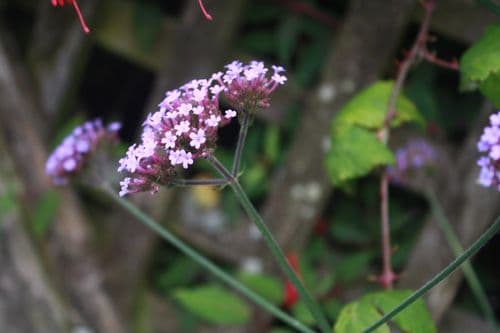
Quick Facts
Common names: European vervain, common verbena
Family: Verbenaceae
Part used: Aerial parts
Traditional use: Nervous tension, fatigue, emotional stress
Evidence rating: ★☆☆☆☆
Traditional Uses
Vervain is one of Europe’s most historically significant medicinal plants. Ancient cultures considered it a sacred herb, and it was traditionally associated with cleansing, protection and healing.
In Western herbal medicine, vervain has long been regarded as a “nervine” herb—a plant used to support the nervous system during periods of stress, tension and emotional exhaustion.
Unlike stronger sedating herbs, vervain has traditionally been viewed as a balancing herb, particularly useful for people who feel mentally overstretched or physically tense.
What Modern Research Says
Compared with chamomile, lemon balm and passion flower, vervain has received far less human clinical research.
Laboratory studies have identified compounds with antioxidant and anti-inflammatory properties, and some traditional uses have biological plausibility. However, there is currently insufficient evidence to confirm its effectiveness for anxiety disorders.
This is a good example of why evidence varies between herbs. A lack of large clinical trials does not necessarily mean a plant has no value; it may reflect limited research funding, difficulties standardising plant extracts and the absence of commercial incentives.
How It May Work
Vervain contains:
- Iridoid glycosides
- Flavonoids
- Phenolic compounds
Researchers are investigating whether these compounds may influence inflammation, oxidative stress and nervous system regulation.
Who May Benefit Most?
Traditional herbalists often recommend vervain for people experiencing:
- Mental exhaustion
- Stress after prolonged pressure
- Physical tension linked with emotional strain
- Difficulty relaxing
Typical Preparations
Vervain is usually taken as:
- Tea
- Tincture
- Herbal combination formulas
It is often combined with other traditional nervines such as oat seed or skullcap.
Safety and Interactions
Vervain is generally considered suitable when used appropriately, but medicinal use should be approached cautiously during pregnancy because some traditional sources advise avoiding high doses.
Anyone taking medication or managing a health condition should seek professional advice before using concentrated extracts.
Bottom Line
Vervain is a fascinating example of a traditional calming herb with a long history but limited modern clinical evidence. It remains valued by herbal practitioners, particularly as a gentle restorative herb during periods of prolonged stress.
Lime Flower (Tilia cordata / Tilia platyphyllos)
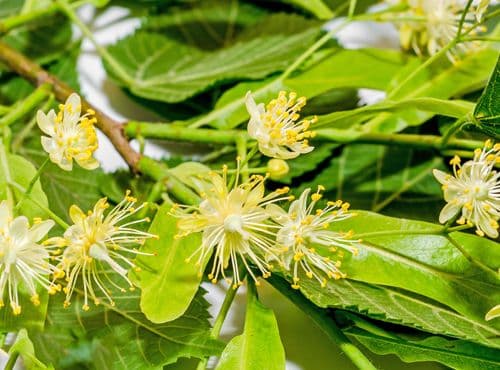
Quick Facts
Common names: Linden flower, lime blossom
Part used: Flowers
Traditional use: Relaxation, nervous tension, sleep support
Evidence rating: ★★☆☆☆
Traditional Uses
Lime flower has been treasured in European herbal medicine for centuries and remains one of the most popular ingredients in traditional calming teas.
The delicate flowers of the lime tree have traditionally been used during periods of nervous tension, restlessness and difficulty sleeping. Unlike stronger sedative herbs, lime flower is generally regarded as a gentle, soothing remedy suitable for relaxation rituals and evening use.
What Modern Research Says
Compared with herbs such as chamomile and lemon balm, lime flower has received relatively little modern clinical research. However, traditional herbal authorities, including the European Medicines Agency, recognise its long history of use for symptoms associated with mild stress and relaxation.
The flowers contain flavonoids and aromatic compounds that may contribute to their traditional calming effects, although more human research is needed.
Who May Benefit Most?
Lime flower may be particularly appealing for people who:
- Prefer gentle herbal teas rather than concentrated supplements
- Experience occasional stress or restlessness
- Want a relaxing evening ritual
- Find emotional tension affects their sleep
Bottom Line
Lime flower is a classic example of a traditional calming herb: widely used, generally gentle and valued by generations of herbal practitioners, although modern clinical evidence remains limited.
Norwegian Angelica (Angelica archangelica)
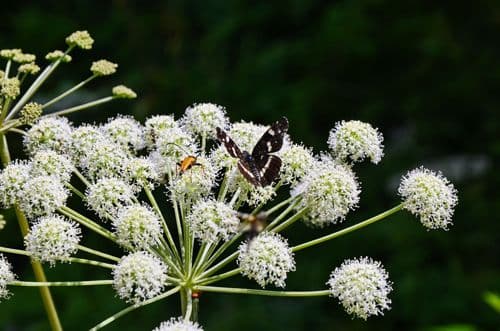
Quick Facts
Common names: Angelica, wild celery
Part used: Root, seeds and aerial parts
Traditional use: Restorative tonic, digestion, resilience
Evidence rating: ★☆☆☆☆
Traditional Uses
Norwegian angelica has a fascinating history in Scandinavian herbal traditions, where it was valued as a hardy plant capable of thriving in difficult northern climates.
Traditionally, angelica was considered a strengthening herb rather than a direct calming remedy. It was often used during times of physical weakness, fatigue and recovery, with the belief that supporting the body’s resilience could also support emotional wellbeing.
What Modern Research Says
Modern research into angelica specifically for stress and anxiety is limited. Studies have focused more on its aromatic compounds, digestive effects and antioxidant properties than its potential role as a calming herb.
Its place in this article reflects its traditional role as a restorative plant rather than a herb with strong clinical evidence for anxiety.
Bottom Line
Norwegian angelica is best understood as a traditional strengthening herb. While it should not be considered a primary anxiety remedy, it remains an important plant in Scandinavian herbal heritage.
Oat Seed (Avena sativa)
Quick Facts
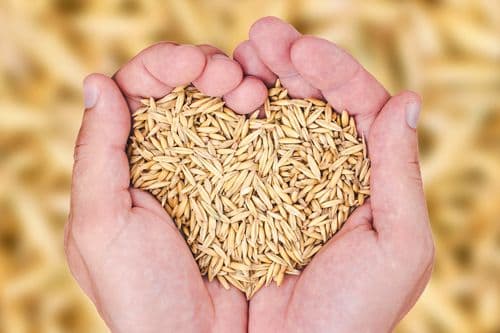
Common names: Green oat, milky oats
Part used: Young green seeds and flowering tops
Traditional use: Nervous exhaustion, stress recovery
Evidence rating: ★★☆☆☆
Traditional Uses
Oat seed is one of the most respected “nervine tonic” herbs in Western herbal medicine. Unlike herbs that are traditionally used for immediate relaxation, oat seed is considered a nourishing herb intended to support the nervous system over time.
Herbal practitioners often recommend oat seed for people who feel depleted after prolonged periods of stress, overwork or emotional strain.
What Modern Research Says
Research into medicinal oat extracts has explored their effects on cognitive function, mood and general wellbeing. Some studies suggest that oat-derived compounds may support brain health and stress resilience, although research specifically examining anxiety remains limited.
Oat seed is therefore best viewed as a traditional supportive herb rather than a proven treatment for anxiety.
Who May Benefit Most?
Traditional herbalists often consider oat seed for people experiencing:
- Mental fatigue
- Periods of prolonged stress
- Feeling “run down”
- Difficulty recovering after demanding periods
Bottom Line
Oat seed is valued less as a sedative and more as a gentle restorative herb that may help support the nervous system during times of ongoing stress.
Why Do Some Herbs Have More Research Than Others?
A common question is: if a herb has been used for centuries, why hasn't it been studied as extensively as modern medicines?
One important factor is economics.
Pharmaceutical companies can justify the enormous cost of large clinical trials because successful medicines can often be protected through patents and regulatory exclusivity. Naturally occurring plants, however, are usually much harder to protect in their original form.
This means that a company could invest millions proving the benefits of a herb, only for competitors to sell the same plant-based product without having funded the research.
This does not mean herbs are ineffective, nor does it mean traditional knowledge replaces scientific research. It simply helps explain why some plants have more clinical evidence while others have centuries of use but fewer modern trials.
Other challenges include:
- Different growing conditions changing plant chemistry
- Different extraction methods producing different products
- Difficulty standardising complex natural substances
- Limited commercial funding for large studies
The future of herbal research is likely to involve better standardisation, improved clinical trials and a closer relationship between traditional knowledge and modern science.
Choosing the Right Calming Herb
Different herbs may suit different types of stress.
If your main concern is… | Herbs traditionally considered |
|---|---|
| Racing thoughts and difficulty switching off | Passion flower, lemon balm |
| Evening relaxation and sleep routine | Chamomile, lime flower |
| Everyday stress and tension | Lemon balm, skullcap |
| Feeling mentally exhausted | Oat seed, vervain |
| Gentle calming tea rituals | Chamomile, lime flower, lemon balm |
Remember that herbs affect individuals differently. What works well for one person may not suit another.
Frequently Asked Questions
What is the best herb for anxiety?
The strongest current evidence among the herbs discussed is for passion flower, lemon balm and chamomile, particularly for mild anxiety and stress-related symptoms.
Can herbs replace anxiety medication?
No. Herbal remedies should not replace prescribed medication without medical guidance. They may provide supportive benefits alongside appropriate treatment and healthy lifestyle measures.
Can calming herbs be combined?
Many traditional herbal formulas combine herbs such as lemon balm, chamomile and passion flower. However, combining multiple calming herbs or taking them alongside medication should be discussed with a herbalist or other healthcare professional as it is important to get doses and ratios c. Organic Herbal Remedies produces a blend of calming herbs called CalmHerb which can be safely taken at the recommended dose.
Are herbal remedies safe?
Most traditional calming herbs are considered safe when used appropriately, but natural does not automatically mean risk-free. Possible interactions with medicines should always be considered and labels on consumer products should warn of these.
Important: This article is not meant to replace advice from your herbalist or medical practitioner. Herbal medicines are not a substitute for professional medical care. If you experience severe anxiety, panic attacks, depression or thoughts of self-harm, seek advice from a qualified healthcare professional. Herbal products can also interact with prescription medicines, so always check with your doctor or pharmacist before starting any new supplement.
Final Thoughts: Finding Calm with Traditional Herbal Support
Stress is an unavoidable part of modern life, but many people are looking for gentle ways to support relaxation and wellbeing.
Herbs such as passion flower, lemon balm and chamomile have the strongest modern evidence among the plants discussed, while traditional remedies such as skullcap, vervain, lime flower and oat seed continue to be valued for their long history of use.
The most sensible approach is neither to dismiss herbal medicine nor to view herbs as miracle cures. Instead, they can be seen as one tool within a wider approach to wellbeing that includes good sleep, movement, nutritious food, meaningful relationships and effective stress management.
For thousands of years, people have turned to plants for comfort and support. Modern research is helping us understand these traditional remedies more clearly, showing where the evidence is strong, where it is promising and where further investigation is still needed.
Used thoughtfully, calming herbs may offer a gentle connection between traditional wisdom and modern wellbeing.
Selected References and Further Reading
- European Medicines Agency (EMA). Herbal monographs: Melissa officinalis, Matricaria recutita, Tilia species and other medicinal plants.
- National Center for Complementary and Integrative Health (NCCIH). Herbs and botanical supplements information resources.
- World Health Organization (WHO). WHO Monographs on Selected Medicinal Plants.
- ESCOP (European Scientific Cooperative on Phytotherapy). Monographs on medicinal plants.
- Sarris J. Herbal medicines in the treatment of psychiatric disorders: a systematic review.
- Amsterdam JD et al. Chamomile (Matricaria recutita) extract therapy for anxiety.
- Miyasaka LS et al. Passiflora incarnata for anxiety: systematic review.
- Kennedy DO et al. Studies examining lemon balm effects on mood and cognitive performance.