
Nettle: Nature’s Antihistamine
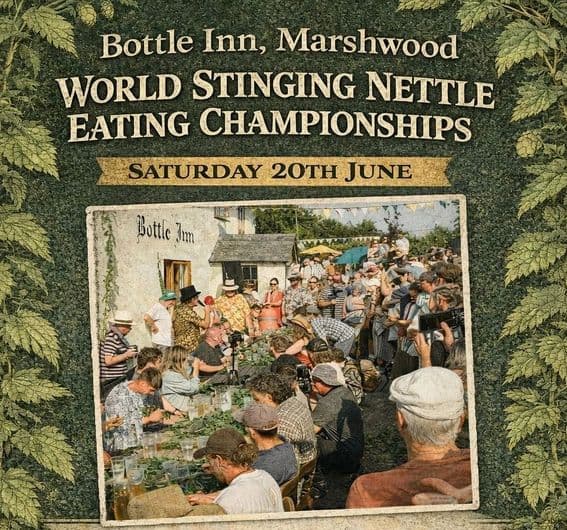
Very close to our base in Dorset, the World Nettle Eating Championships will be held at the Bottle Inn in Marshwood on June 20th. We do not recommend eating raw nettles to help with allergies! But there are good reasons why taking nettle tinctures or teas this summer could help the body’s ability to cope with elevated pollen levels
When pollen levels are high, hayfever season gets into full swing and many people find themselves reaching for tissues, eye drops, and antihistamines in an effort to keep symptoms under control.
But long before modern allergy medications were available, herbal practitioners were turning to a variety of plants to help support the body during seasonal allergy flare-ups. Among the most respected are nettle (Urtica dioica) and elderflower (Sambucus nigra), two traditional herbs that continue to be widely used today.
Nettle has earned a reputation as nature's antihistamine, with some research suggesting it may help support a healthy inflammatory response during allergy season. Elderflower, meanwhile, has traditionally been used to soothe the respiratory tract and help ease congestion, making it a popular remedy when blocked noses and irritated sinuses become a problem.
Together, these herbs have been used for generations as a complementary approach to seasonal allergy support, helping many people navigate the challenges of spring and summer more comfortably.
In this blog, we explore:
- Why hay fever symptoms occur in the first place
- How nettle may help support the body's response to allergens
- The traditional role of elderflower in respiratory health
- Why herbalists often recommend the two herbs together
- What current research tells us about their potential benefits
- Other health benefits of Nettle
- Important safety considerations before using herbal remedies
Whether you're curious about natural approaches to seasonal wellbeing or simply looking to broaden your understanding of traditional herbal medicine, this evidence-informed guide offers a fascinating look at two of nature's most enduring allergy-season allies.
Nettle: Nature's Traditional Antihistamine for Hayfever Season
As spring turns to summer and pollen counts are high, millions of people across the UK find themselves battling the familiar symptoms of hayfever. Sneezing fits, itchy eyes, blocked noses and persistent congestion can make even the sunniest days feel like a challenge.
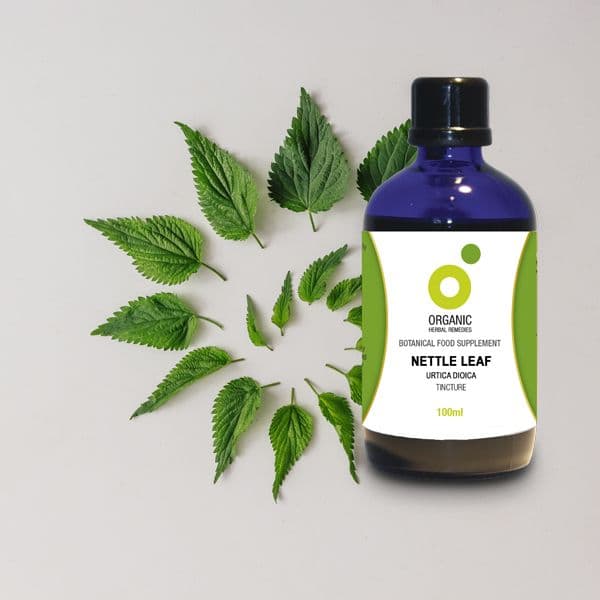
While conventional antihistamines remain the most common treatment for seasonal allergies, many people are increasingly looking towards natural remedies to support their wellbeing during hayfever season. Among the herbs most frequently recommended by herbal practitioners is nettle (Urtica dioica), a plant with a long history of traditional use and a reputation as nature's antihistamine.
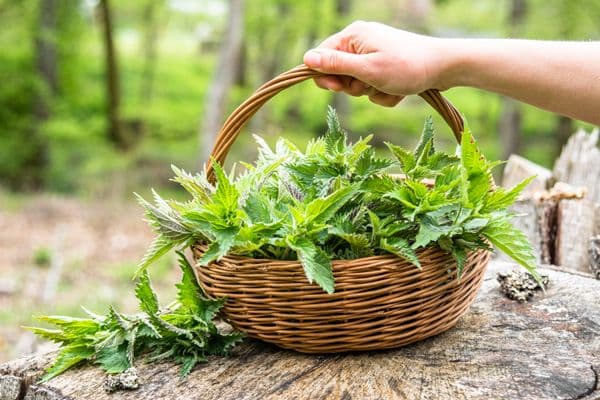
Although best known for its sting, nettle has been valued for centuries as both a medicinal herb and a nutritious food. Today, it remains one of the most widely used herbs for supporting the body's response to seasonal allergens.
Why Does Hayfever Occur?
Hayfever, also known as seasonal allergic rhinitis, occurs when the immune system reacts to airborne allergens such as grass, tree or weed pollen.
When pollen enters the body, the immune system mistakenly identifies it as a threat and releases chemicals including histamine. This triggers the familiar symptoms associated with hayfever, including:
- Sneezing
- A runny nose
- Nasal congestion
- Itchy eyes
- Watery eyes
- An itchy throat
- Sinus discomfort
Conventional antihistamines work by blocking the effects of histamine. Interestingly, nettle has traditionally been used for a similar purpose, which is why it has become known as a herbal antihistamine.
What Makes Nettle Unique?
Nettle has been used in European herbal medicine for hundreds of years. Rich in vitamins, minerals and beneficial plant compounds, it has traditionally been used to support joint health, urinary function, circulation and seasonal wellbeing.
What makes nettle particularly interesting during allergy season is its potential influence on inflammatory pathways involved in allergic reactions.
Laboratory studies have suggested that compounds found in nettle may help modulate some of the biological processes associated with histamine release and inflammation. While further clinical research is needed, these findings provide some scientific support for the herb's longstanding traditional use.
How Nettle May Help During Hayfever Season
May Support a Healthy Histamine Response
One of nettle's most widely recognised benefits is its potential role in supporting the body's natural response to histamine.
Histamine is largely responsible for many hayfever symptoms, including sneezing, itching and watery eyes. By helping to regulate inflammatory responses, nettle may help reduce the intensity of these symptoms in some individuals.
This is why many herbal practitioners recommend nettle supplements during periods of high pollen exposure.
May Help Reduce Sneezing and Nasal Irritation
Frequent sneezing and nasal irritation are among the most frustrating aspects of hayfever.
Traditionally, nettle has been used to help soothe the upper respiratory tract and support comfort during seasonal allergy flare-ups. Many people report that regular use helps them feel less reactive to environmental allergens, although individual responses can vary.
Supports Overall Seasonal Wellbeing
Although nettle is frequently used as a standalone remedy, herbal practitioners often combine it with other traditional herbs that address the symptoms of hayfever from different angles.
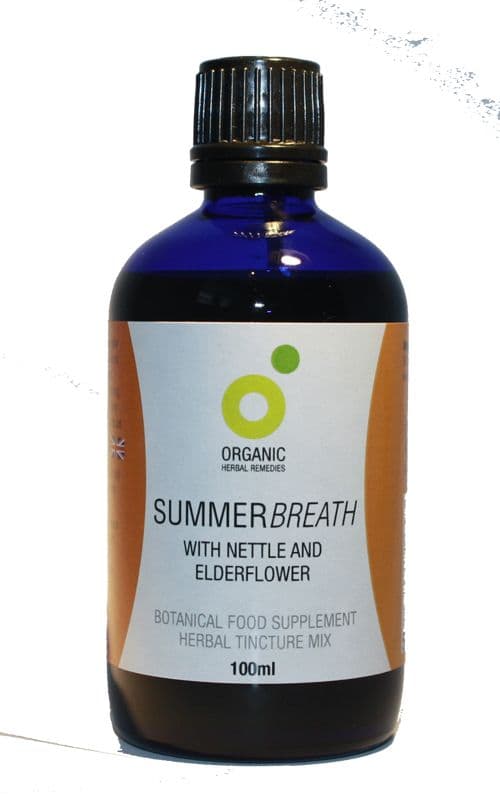
One of the most popular companions is elderflower (Sambucus nigra). While nettle is often chosen for its potential antihistamine-like properties, elderflower has traditionally been used to help relieve congestion, support sinus drainage and soothe irritated mucous membranes.
Other herbs commonly included in seasonal allergy formulations include:
- Chamomile
- Eyebright
- Elderflower
- Peppermint
- Plantain
- Goldenrod
By combining herbs that support different aspects of the allergic response, herbalists aim to provide more comprehensive seasonal support.
How Is Nettle Taken?
Nettle is available in several forms, including:
- Herbal teas
- Capsules
- Tablets
- Tinctures
- Liquid extracts
Many herbal practitioners recommend beginning supplementation before pollen levels peak, as this may help prepare the body for the allergy season ahead.
Nettle tea remains particularly popular and provides a simple way to incorporate the herb into a daily wellness routine.
Other benefits of Nettle
Antioxidant Powerhouse:
Nettle leaf is teeming with potent antioxidants that combat harmful free radicals and protect the body against oxidative stress. A study published in the Journal of Agricultural and Food Chemistry found that nettle leaf extract exhibited significant antioxidant activity, potentially reducing the risk of chronic diseases such as heart disease and certain types of cancer.
Anti-Inflammatory Effects:
Inflammation lies at the root of numerous health issues, from arthritis to allergies. Fortunately, nettle leaf offers a natural solution. Research published in the Journal of Ethnopharmacology suggests that nettle leaf possesses anti-inflammatory properties, potentially alleviating symptoms associated with conditions like osteoarthritis. Moreover, a randomized controlled trial conducted by the University of Plymouth demonstrated nettle leaf's efficacy in reducing allergic rhinitis symptoms, providing relief to sufferers.
Support for Prostate Health:
Nettle leaf has long been used as a traditional remedy for prostate conditions. Scientific studies have shed light on this folkloric wisdom, suggesting that nettle leaf may help manage symptoms of benign prostatic hyperplasia (BPH), a common condition among aging men. A meta-analysis published in the journal Phytomedicine revealed that nettle root extract improved urinary symptoms and flow rate in men with BPH.
Blood Sugar Regulation:
For individuals seeking natural ways to manage blood sugar levels, nettle leaf may hold promise. A study published in the Iranian Journal of Pharmaceutical Research found that nettle leaf extract demonstrated antihyperglycemic effects, potentially aiding in the control of diabetes. Further research is needed to fully explore nettle leaf's potential in this regard.
Safety and Precautions
Nettle is generally considered safe for most people when used appropriately but should of course be avoided by people who react particularly badly to nettle stings.
However, it may interact with certain medications, including:
- Blood pressure medications
- Diuretics
- Diabetes medications
Anyone who is pregnant, breastfeeding, taking prescription medication or managing a medical condition should consult a healthcare professional before using herbal supplements. It is also important to remember that herbal remedies should not be used as a substitute for emergency medical treatment in cases of severe allergic reactions.
Final Thoughts
For centuries, nettle has been valued as one of traditional herbal medicine's most trusted remedies for seasonal allergies. Its reputation as a natural antihistamine, combined with emerging scientific interest in its effects on inflammatory pathways, has helped maintain its popularity among herbal practitioners and health-conscious consumers alike.
While it may not replace conventional allergy treatments for everyone, nettle offers a well-established herbal approach for those seeking additional support during hayfever season. Combined with complementary herbs such as elderflower, it remains one of the most widely used natural remedies for helping to manage the challenges of seasonal allergies.
References
- Roschek B Jr, Fink RC, McMichael MD, Alberte RS. Nettle extract (Urtica dioica) affects key receptors and enzymes associated with allergic rhinitis. Phytotherapy Research. 2009.
- Chevallier A. Encyclopaedia of Herbal Medicine. DK Publishing; 2016.
- Hoffmann D. Medical Herbalism: The Science and Practice of Herbal Medicine. Healing Arts Press; 2003.
- Mills S, Bone K. Principles and Practice of Phytotherapy. Churchill Livingstone; 2013.
- European Scientific Cooperative on Phytotherapy (ESCOP). Monographs on Urtica dioica.
- Gülçin, İ., et al. (2004). Antioxidant activity of nettle. Journal of Agricultural and Food Chemistry, 52(15), 4584-4589.
- Safarinejad, M. R. (2005). Urtica dioica for treatment of benign prostatic hyperplasia: a prospective, randomized, double-blind, placebo-controlled, crossover study. Journal of Herbal Pharmacotherapy, 5(4), 1-11.
- Tahri, A., et al. (2000). Effect of Nigella sativa seeds on the glycemic control of patients with type 2 diabetes mellitus. Iranian Journal of Pharmaceutical Research, 2(1), 77-81.